

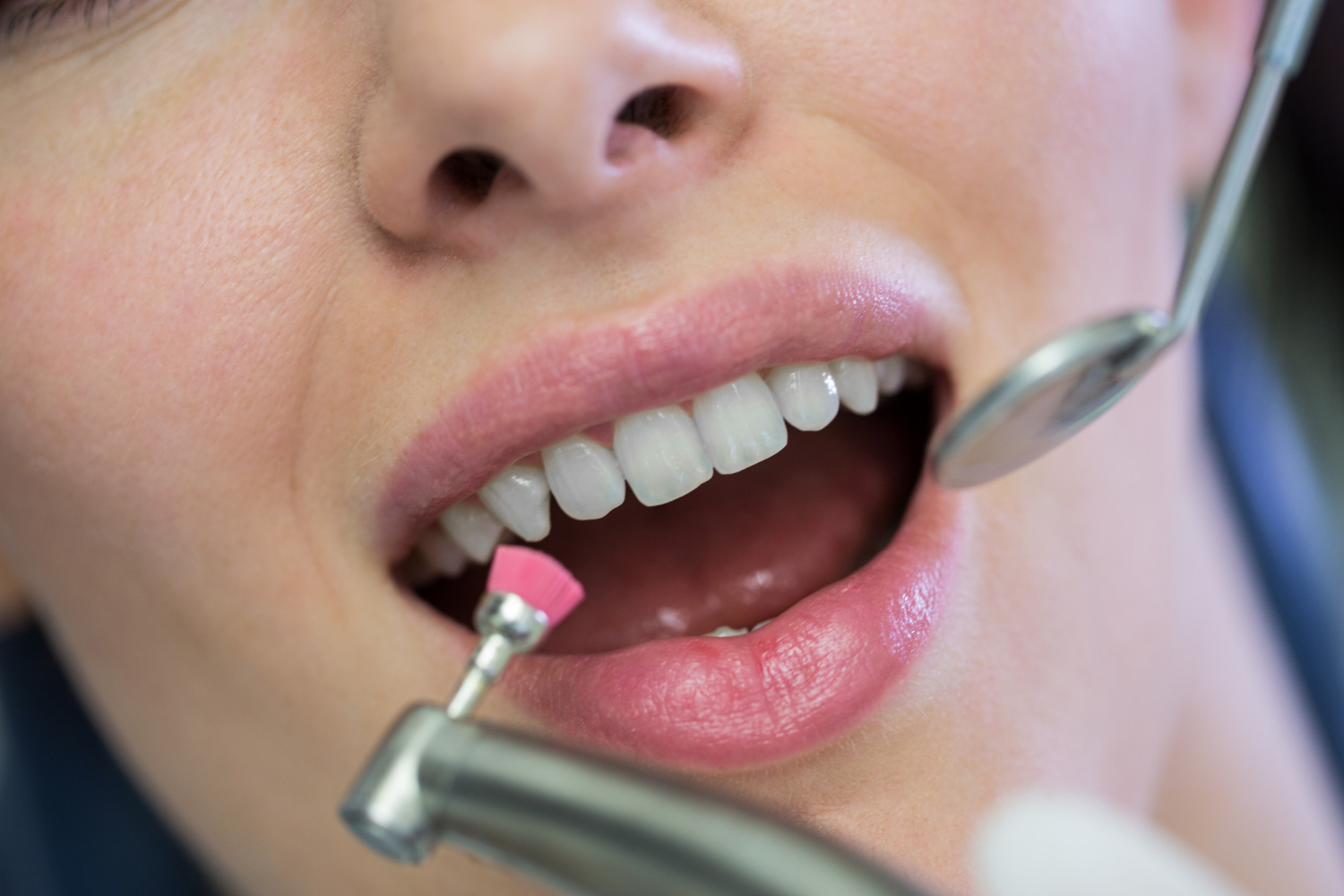
A basic filling is sometimes inadequate to restore a tooth’s long-term function and integrity when it is damaged by decay, breakage, or following a root canal.Far more than a cosmetic correction, this treatment is a fundamental restorative process that can save a tooth from removal, hence maintaining your natural bite and oral health. Anyone thinking about full tooth restoration must first understand the crucial part and process of Crowns Dental treatment.
Protection and Structural Reinforcement
The main purpose of a dental crown is to give a damaged tooth essential structural support. Teeth that have suffered major cavities, big fractures, or have been very filled lack the original strength to resist typical biting forces. Acting as a protective shell, a crown surrounds the whole tooth and distributes these forces equally.
Restoration of Function and Bite
Your bite alignment and general oral performance can be much compromised by a damaged or malformed tooth. This may cause chewing issues, which could affect nourishment and digestion. Precision design of dental crowns fits the precise shape, height, and alignment of your own teeth.
Investment and long-term durability
Engineered for a remarkable lifespan, contemporary dental crowns normally last 10 to 15 years or more with proper maintenance. A crown stops the need for more elaborate and costly therapies later, such ason bridges, implants, or dentures, which would be necessary if the tooth were lost. Your money and Dental Public health are protected by this resilience.
Aesthetic improvement and natural looks
Beyond only utility, crowns offer an aesthetic transforming answer. Made specifically in a dental lab, they mix perfectly with your own grin. The hue, opacity, and texture are exactly tuned to surrounding teeth so that the restoration is almost invisible.
Avoidance of Further Deteriorating Damage
A tooth with a large cavity or filling is more prone to recurrent cracks and decay. Over time, the edges of ancient fillings can degrade, enabling bacteria to enter.
Help with Extra Dental Procedures
Supporting parts in more general restorative dentistry, crowns are necessary. Filling the space left by a missing tooth, they form the foundation for a dental bridge. Moreover, they substitute a tooth from root to crown and are the observable, operational component connected to a dental implant.
Conclusion
A fundamental pillar of contemporary restorative dentistry, dental crowns provide a complex approach that tackles endurance, function, appearance, and long-term oral health. They are a proactive intervention that saves harmed teeth, so avoids more significant consequences and boostself-assurance in a smile.
Visit cthati for more informative blogs.