

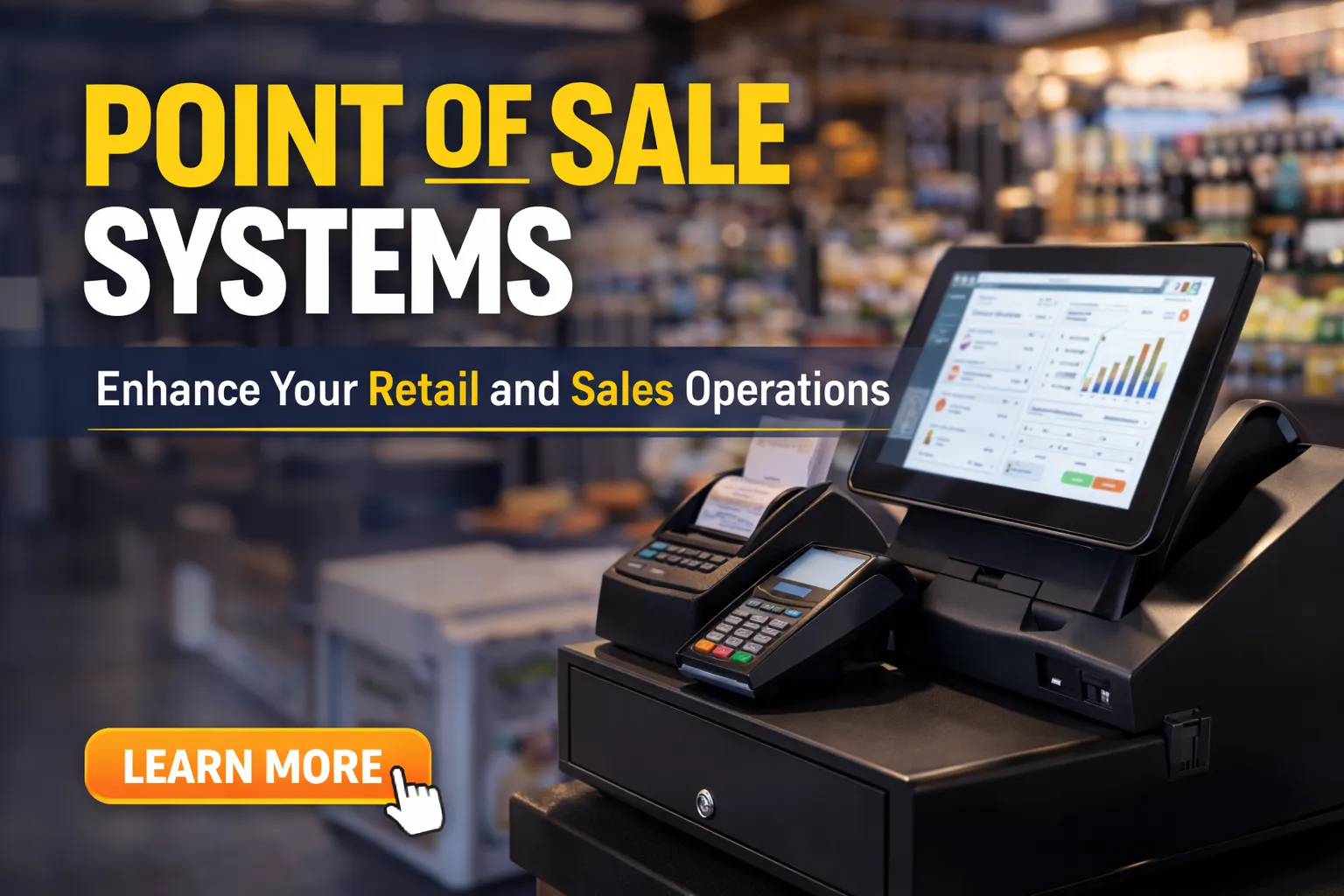
Point of Sale Systems Guide for Modern Businesses
Modern businesses rely on technology to manage sales, track inventory, and improve customer service. One of the most important tools used in retail and service industries today is point of sale systems. These systems help businesses handle transactions quickly while keeping accurate records of every sale.
A point of sale system is much more than a simple cash register. It combines hardware and software to process payments, manage inventory, and provide useful reports that help business owners make better decisions. From small retail stores to large supermarkets and restaurants, point of sale systems have become an essential part of daily operations.
In this guide, we will explore how point of sale systems work, their benefits, and why many businesses are upgrading to modern POS technology.
What Are Point of Sale Systems?
Point of sale systems are tools used by businesses to complete sales transactions. The point of sale refers to the place where a customer pays for products or services. This can be a checkout counter in a retail store, a restaurant cashier station, or even a mobile device used by sales staff.
A POS system typically includes several components such as:
- POS software
- A computer or tablet
- Barcode scanner
- Receipt printer
- Cash drawer
- Card payment terminal
These components work together to process payments, record transactions, and update inventory automatically.
How Point of Sale Systems Work
When a customer purchases a product, the POS system records the sale in real time. The cashier scans the product barcode or selects the item from the system. The POS software then calculates the total price including taxes and discounts.
After that, the customer can pay using cash, credit card, debit card, or digital payment methods. Once the payment is completed, the system generates a receipt and updates the inventory count.
Because everything is recorded automatically, point of sale systems reduce human errors and make the sales process faster.
Key Features of Modern POS Systems
Modern point of sale systems offer many advanced features that help businesses run smoothly.
Inventory Management
POS systems automatically track inventory levels whenever a product is sold. This allows business owners to know which products are selling quickly and which items need restocking.
Inventory tracking also helps prevent stock shortages and over-ordering.
Sales Reports and Analytics
POS software generates detailed reports about daily, weekly, or monthly sales. These reports provide insights into business performance.
Owners can analyze which products are popular, which hours are busiest, and how revenue is growing over time.
Multiple Payment Options
Today’s customers expect flexible payment methods. Modern POS systems support various payment options including contactless payments, mobile wallets, and online transactions.
This makes the checkout process faster and more convenient for customers.
Customer Management
Some POS systems include customer relationship management features. These allow businesses to store customer information, track purchase history, and create loyalty programs.
This helps businesses build stronger relationships with customers and improve customer retention.
Related more articles, pos ireland
Benefits of Using Point of Sale Systems
Businesses of all sizes can benefit from using point of sale systems.
Faster Transactions
POS systems make checkout quick and efficient, reducing waiting time for customers.
Better Business Insights
The reports generated by POS software provide valuable data that helps business owners make informed decisions.
Improved Inventory Control
Automated inventory tracking prevents mistakes and ensures that stock levels are always accurate.
Professional Customer Experience
Modern POS systems create a smooth checkout experience, which improves customer satisfaction.
Choosing the Right POS System
Selecting the right point of sale system depends on the type and size of your business. Retail stores, restaurants, and service businesses often require different features.
Before choosing a POS system, consider factors such as:
- Ease of use
- Compatibility with hardware devices
- Inventory management capabilities
- Customer support and updates
- Cost and subscription plans
A reliable POS system should be easy to operate and capable of growing with your business.
Conclusion
Point of sale systems have become an essential tool for modern businesses. They help process transactions efficiently, track inventory accurately, and provide valuable insights into sales performance.
By using a reliable POS system, businesses can improve their operations, enhance customer experience, and make smarter decisions based on real-time data. As technology continues to evolve, point of sale systems will remain a key part of successful retail and service businesses.