

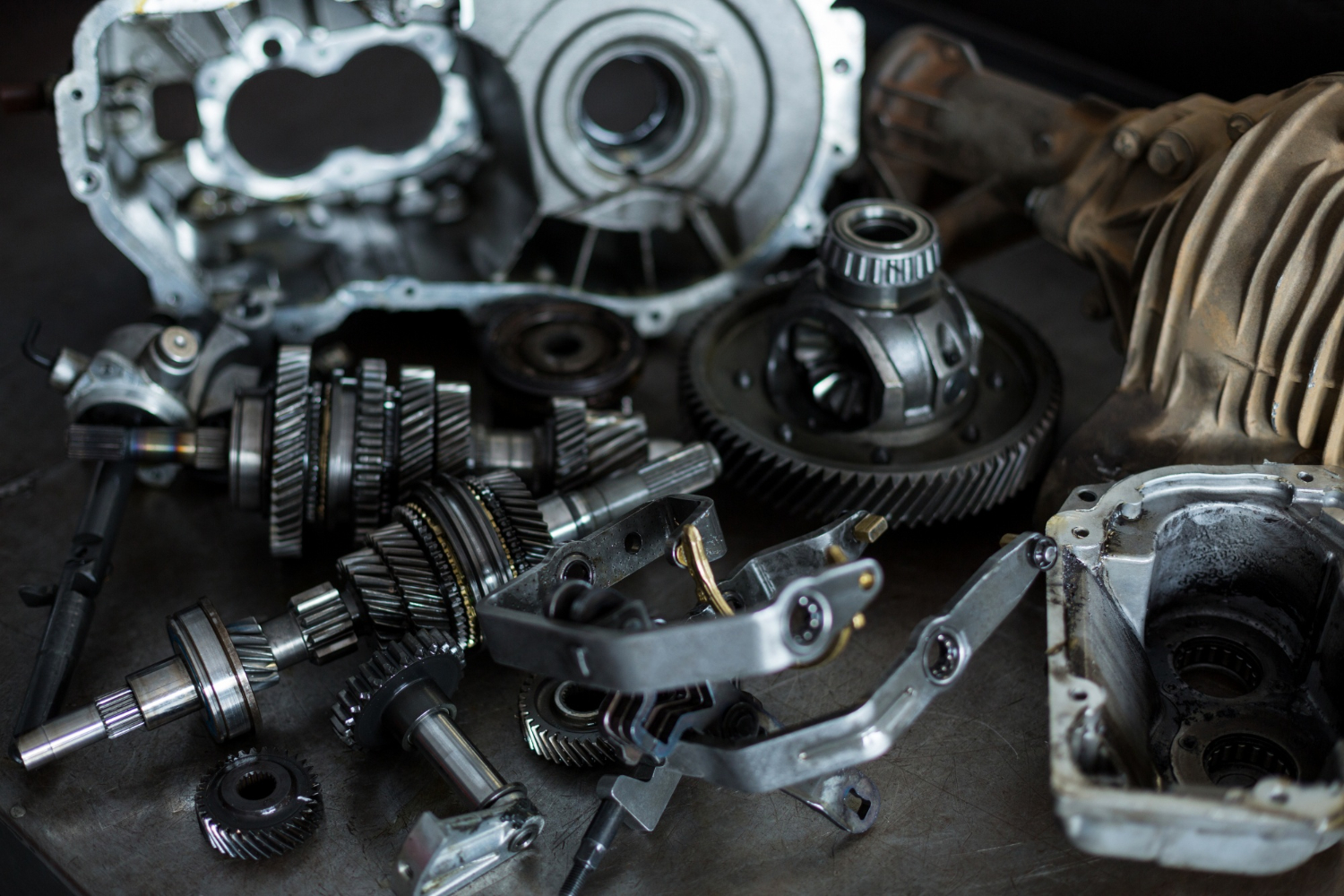
For any car owner or prospective mechanic, knowing the basic elements inside your car’s engine is freeing. Knowing important components demystifies the procedure, helps in diagnosing problems, and enables more open communication with technicians rather than approaching repairs. An intricate symphony of exactly designed parts cooperating is the internal combustion engine. Knowing these components not only helps to detect symptoms such as odd sounds, power loss, or flashing lights but also emphasises the need for regular maintenance. A fundamental understanding of fundamental Engine Car Parts changes repair from a terrifying cost into a practical, knowledgeable project whether you are doing a basic service or resolving a problem.
The Cylinder Block (Engine Block)
Often called the core of the engine, the cylinder block is a massive casting that houses the cylinders in which pistons move up and down. Traditionally made of cast iron, contemporary blocks often use aluminium for less weight. It contains vital passageways for coolant and oil called water jackets and oil galleries, which help to provide lubrication and control temperature, in addition to the cylinders. Damage to the block, cracking or warping, for instance,,e is often severe and expensive, usually caused by overheated or freezing coolant. Its strong build serves as the underlying framework to which all other large elements are affixed; it can endure great pressures and heat.
Pistons and piston rings
Cylindrical parts called pistons transfer the force from expanding combustion gases to the connecting rod by moving within the cylinders of the engine. They can handle great pressure changes and temperatures. Piston rings, which attach to each piston, seal the combustion chamber, stop oil from entering it, and aid heat transmission from the piston to the cylinder wall. Excessive oil use, marked by blue-tinted exhaust smoke and compression loss, often results from worn-out rings. To keep engine efficiency and power, their accurate fit is essential; hence, during engine rebuild, they are a major wear item checked.
The crankshaft
Turning the linear up-and-down movement of the pistons into rotational force to power the wheel of the car, the crankshaft is the engine’s spinning dynamo. Attached to this precisely balanced shaft with offset crankpins are the connecting rods. Support for it comes from main bearings that lessen friction as it rotates at great speed inside the engine block. Serious knocking sounds, shaking, and catastrophic engine breakdown can result from a damaged crankshaft or worn bearings. Ultimately guiding the work of the engine to the transmission, its fluid rotation is critical for engine balance and power transmission.
The camshaft and valvetrain
The camshaft regulates the crucial timing of the exhaust valves and intake valves on the engine. Its lobes drive against valve lifters or followers, opening valves at exact times to let the air-fuel mixture in and exhaust gases exit. Variable valve timing systems in contemporary engines change camshaft position for best performance and economy. Valves, springs, and lifters, among others, are found on the valvetrain. Problems here, such as a worn cam lobe or torn timing belt, upset engine timing, which results in subpar performance, misfires, or even valve-to-piston collision and hence considerable internal damage.
The cylinder head
The cylinder head creates the roof of the combustion chamber, fixed firmly to the top of the engine block. It usually holds the camshaft(s) in overhead-cam arrangements as well as the intake and exhaust ports and valves. The key gasket, the head gasket, seals the junction between the head and block to stop compression, oil, or coolant leaks. Often signalledby coolant loss, oil contamination, or white exhaust smoke, head gasket failure is a very prevalent and serious condition. Airflow and effective combustion depend on the complicated pattern of the head.
The lubricating (oil) mechanism
This mechanism guarantees oil coverage for all moving components at all times, therefore reducing friction and wear. It includes galleries, an oil filter, and an oil pump. Pressurising the oil it draws from the sump, the reservoir at the base of the engine, the pump forces it through the filter to eliminate impurities before it enters bearings, camshafts, and other parts. Low oil pressure brought on by pump malfunction, a blocked filter, or low oil can cause fast, serious engine damage from metal-on-metal contact, therefore emphasising the need for frequent oil changes.
Conclusion
Gaining familiarity with these eight basic engine components gives a strong foundation for knowing how your car functions and where issues may start. This knowledge inspires preventative maintenance, including frequent oil changes and cooling system checks, which can stop small problems from developing into serious failures. This understanding can direct fundamental diagnostic procedures and helpmore educated conversations with mechanics when repairs are required. Knowing these fundamental components finally demystifies the intricacy of the engine, therefore encouraging more confidence and guaranteeing your car gets the informed maintenance it needs so last and performs consistently.
Visit cthati for more informative blogs.