

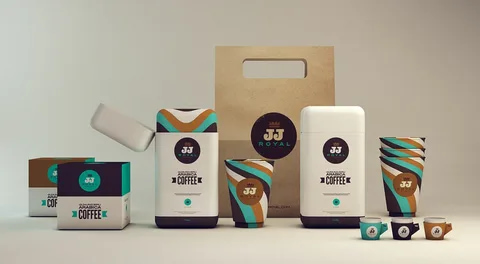
Packaging design is a key boundary for brand differentiation in a crowded market. It serves as the physical manifestation of your brand narrative, a quiet representative on the shelf and a concrete component of the consumer experience. Good packaging speaks to core values, creates an emotional link, and can significantly affect consumer behaviour in addition to holding a product. Design has to be deliberate to reach this goal, combining aesthetics with usefulness to establish a distinctive and consistent brand. This calls for a thorough knowledge of material innovation, consumer psychology, and market trends. For companies trying to thrive, working with experienced Packaging Design Experts offers the unique knowledge needed to convert brand essence into appealing, shelf-ready designs that intrigue and convert.
Give immediate comprehension and clarity priority.
Within seconds, a buyer ought to grasp the main advantage of your product. Have a reasonable visual hierarchy and legible, clear typefaces. The most noticeable features should be the brand name and main product descriptor. Stay clear of filling the design with too much wording or contrasting graphics. Effective, intuitive visual signals help to quickly convey the product category and main purpose. This immediate clarity creates trust and simplifies a quick buy decision, guaranteeing your packaging accurately conveys in the all-important first encounter on a packed retail shelf or virtual shop.
Create a unique and ownable colour palette.
One of the most effective instruments for brand awareness and emotional engagement is colour. Pick a main colour scheme appropriate for your brand personality, for instance, earthy colours for organic products or bright colours or young energy. Regular use of these hues should be across all product categories and marketing materials. Achieving ownability is the aim, such that customers start to directly link that particular colour scheme with your brand even from afar and so establish a strong visual shorthand in a crowded environment.
Design one visual language throughout all media types.
Consistency breeds familiarity and confidence. Across several sizes, forms, and product lines, your packaging design should use a consistent visual language. This covers regular use of logos, font, illustration style, and graphic components, such as patterns or symbols. The family resemblance should be evident whether a customer selects a 30ml sample or a 500ml main item. This coherence helps cross-sell, builds brand credibility, and gives the market a professional, structured brand image.
Include material invention and tactile aspects.
Incorporate additional senses besides eyesight. Think about the texture of the packaging in your palm. To project luxury and quality, employ textured finishes like embossing, debossing, or speciality papers. Material choice by itself conveys ideals: recycled cards symbolise sustainability, whereas a strong, weighty box suggests premium quality. Unique opening mechanisms or creative structural design can produce a remarkable unboxing experience that encourages emotional connection and shareability, thereby transforming the box into part of the perceived value of the product.
Guarantee Shelf Impact and Digital Exposure
Design has to function in two primary spheres: virtual markets and brick-and-mortar outlets. Make contrast with rivals for shelf impact and guarantee essential features are visible across several distances. Make sure the design is photogenic and is readily apparent as a little thumbnail image for e-commerce. Think of its appearance in a client’s social media unboxing video. Optimising for both situations maximises the marketing potential of your packaging across the whole customer journey, from discovery on the internet to the minute it reaches their door.
Combine authentic brand narrative with storytelling.
Excellent packaging relates a narrative. Convey the origin, goal, or craftsmanship of your brand using copy, pictures, and design elements. This could be through icons explaining artisan methods, drawings reflecting sourcing places, or a brief founder’s story on the side panel. Genuine narrative establishes an emotional link with customers who share your values. By means of perceived added meaning and genuineness, it turns a common commodity into a branded product with soul, therefore promoting loyalty and justifying a possible price premium.
Contrast Aesthetics with Utility
Beautiful design counts for nothing if the packaging fails physically. It must adhere to any legal labelling rules, be simple to open, store, and use, and shield the product while shipping. Think about the user experience at every point of interaction. Does the spout flow neatly? Is the reseal system efficient? As the packaging is viewed as an asset rather than an impediment, a design that is both beautiful and highly practical improves the whole product experience and results in increased client happiness and repeated purchases.
Conclusion
Strong packaging design is really a strategic investment that directly affects brand awareness and business success. Brands can produce packaging that acts as a strong, silent salesperson by becoming proficient in clarity, consistency, and sensory interaction while smoothly combining storytelling and usefulness. Seeing packaging as an essential touchpoint of the brand experience rather than just a simple container results in the most successful results. For companies wanting to unlock this potential, working with professional Packaging Design guarantees access to the technical knowledge, creative vision, and market insight needed to create packaging that not only stands out on the shelf but also creates a lasting and distinct identity in the minds of the consumer.Visit cthati for more informative blogs.